Phenolic Disinfectant: Uses, Benefits, Safety, and What You Should Know
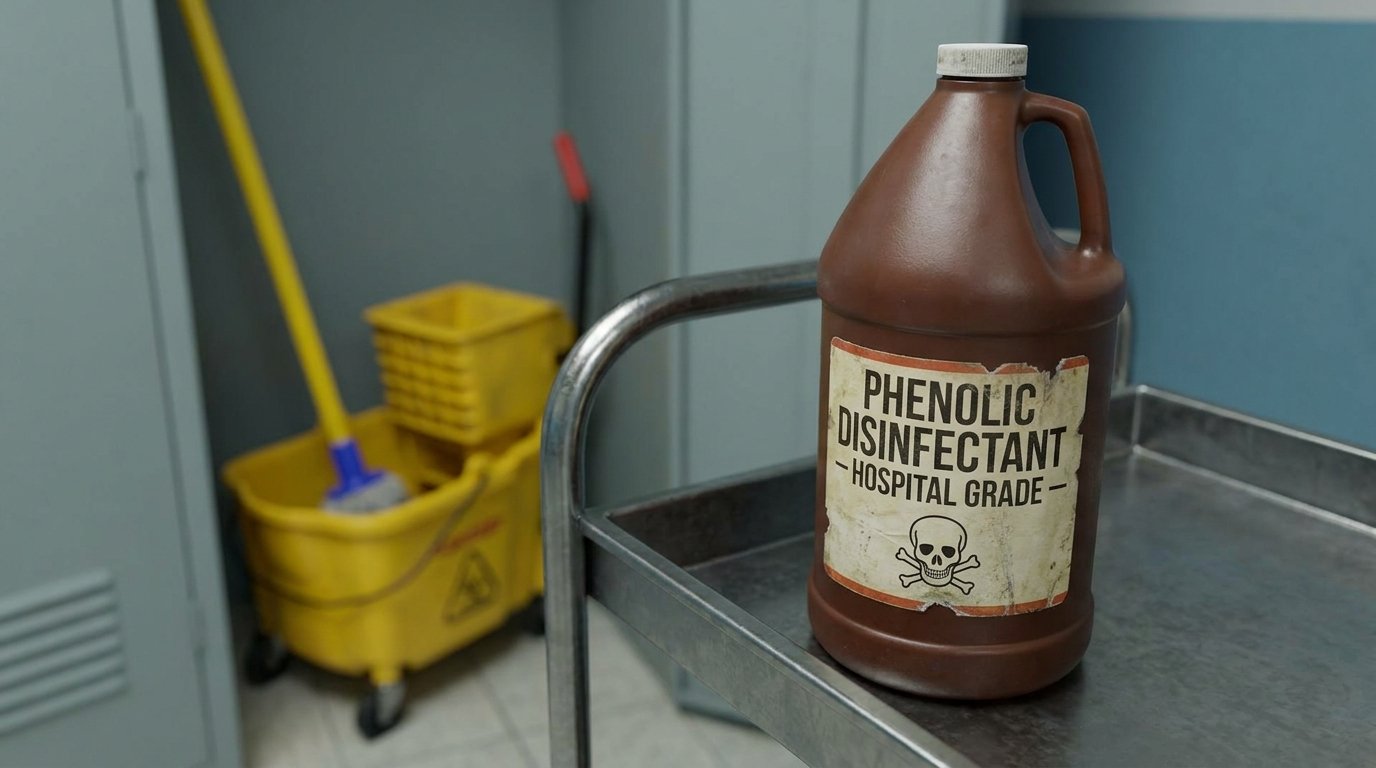
A phenolic disinfectant is a cleaning product that uses phenolic compounds to help kill or control harmful germs on suitable surfaces. These products have been used in hospitals, laboratories, commercial buildings, and other settings where surface hygiene matters. However, not every phenolic disinfectant works against the same germs, and not every product is safe for every surface.
Understanding how phenolic disinfectants work can help people choose, use, and store them correctly. Their effectiveness depends on the active ingredients, the surface being cleaned, the amount used, and the contact time stated on the product label. Safe handling is also essential because some formulations can irritate the skin, eyes, or breathing passages.
This guide explains what phenolic disinfectants are, where they are used, their advantages and limits, and the safety steps that matter most.
What Is a Phenolic Disinfectant?
A phenolic disinfectant is a chemical product that contains one or more phenolic compounds as active ingredients. These compounds belong to a group of chemicals related to phenol, an aromatic organic compound with a hydroxyl group attached to a benzene ring.
In simple terms, phenolic disinfectants are designed to reduce harmful microorganisms on approved surfaces. Depending on the formula, they may act against certain bacteria, fungi, and viruses.
Phenolic disinfectants are not all the same. Some products contain related compounds, such as substituted phenols, while others use blends of active ingredients and cleaning agents. The exact formula affects how well a product works, which surfaces it can treat, and what precautions users must follow.
A product should not be called suitable for every type of disinfection simply because it contains a phenolic ingredient. Its approved uses and performance claims must be checked on the label.
What Are Phenolic Compounds?
Phenolic compounds are a broad family of chemicals that contain a hydroxyl group attached directly to an aromatic ring. Phenol is the simplest member of this family, but many other compounds have modified chemical structures.
Some of these compounds have antimicrobial properties. When used in a properly designed disinfectant, they can damage important parts of microbial cells and interfere with normal cell functions.
The term phenolic disinfectant describes a product category rather than one single chemical. This distinction matters because two products in the same category may have different ingredients, strengths, uses, and safety requirements.
Phenolic compounds also have uses beyond disinfection. Their presence in a product does not automatically mean that the product is intended for cleaning, treating skin, or disinfecting medical instruments.
How Does a Phenolic Disinfectant Work?
Phenolic disinfectants work by disrupting key structures and functions in susceptible microorganisms. Their action depends on the chemical structure of the active ingredient, its concentration, and the conditions in which it is used.
Damage to microbial cell membranes
Many phenolic compounds can affect the membranes that surround microbial cells. These membranes help control the movement of substances into and out of a cell.
When a disinfectant damages the membrane, the cell may lose important materials and fail to maintain its normal functions. This damage can contribute to the death or loss of activity of susceptible microorganisms.
Disruption of proteins and cell functions
Phenolic compounds can also interfere with proteins and other structures needed for normal cell activity. Proteins help microorganisms carry out many essential tasks.
When these functions are disrupted, the organism may no longer survive or reproduce normally. The precise effects vary with the compound and the microorganism involved.
Why contact time matters
A disinfectant needs enough time on a surface to work as intended. This period is known as the contact time or wet contact time, depending on the product instructions.
If a label requires a surface to remain visibly wet for a stated period, wiping it dry too soon may reduce the product’s effectiveness. Allowing it to sit much longer does not automatically make it more effective or safer.
Users should follow the exact contact time on the product label rather than relying on a general rule for all phenolic products.
Why the surface and cleaning method matter
Dirt, grease, organic material, and other residues can interfere with some disinfectants. A surface may need to be cleaned before disinfection, especially when it has visible soil.
The surface material also matters. A chemical that is suitable for one type of floor or worktop may damage another material.
For these reasons, the correct procedure depends on the product label, the type of contamination, and the surface being treated.
Common Uses of Phenolic Disinfectants
Phenolic disinfectants have been used in a range of settings, especially where hard surfaces need routine or targeted disinfection. However, their suitability depends on the product, the local rules, and the purpose of the cleaning task.
1. Healthcare facilities
Hospitals and other healthcare facilities need clear procedures for cleaning surfaces that may come into contact with patients, staff, or contaminated materials.
Phenolic products have historically been used on certain environmental surfaces and some noncritical medical equipment. Examples of environmental surfaces include floors, worktops, and other hard surfaces, provided the product label permits that use.
However, phenolic disinfectants are not a universal choice for healthcare cleaning. Current CDC guidance lists phenolics among the products that should not be used for environmental surfaces and noncritical patient-care equipment in its general healthcare environmental-cleaning recommendations, citing toxicity concerns. Facilities should follow applicable current guidance and approved product instructions when selecting a disinfectant. CDC guidance on cleaning supplies and equipment.
2. Laboratories
Laboratories may need to control microbial contamination on benches, floors, and other work surfaces. The right disinfectant depends on the organisms being handled and the risks involved.
A phenolic disinfectant should only be used when it is approved for the intended surface and laboratory procedure. Some laboratory work requires products with specific activity against resistant organisms or other hazards. A general-purpose disinfectant may not meet those needs.
Laboratory workers should also follow the facility’s chemical safety procedures, including rules for protective equipment, ventilation, storage, and waste disposal.
3. Commercial and industrial settings
Some commercial and industrial facilities use disinfectants as part of a wider cleaning program. These settings may include work areas, service spaces, and other locations where suitable hard-surface disinfection is needed.
The choice of product should reflect the type of contamination, the surface material, and the people who may come into contact with treated areas.
A product designed for an industrial floor, for example, should not automatically be used on food-contact surfaces, office equipment, or personal items. Each use must be supported by the product’s directions and relevant safety rules.
4. Institutional buildings
Schools, offices, care facilities, and similar buildings may need routine cleaning of frequently touched surfaces.
Phenolic disinfectants are not necessarily the best choice for these tasks. In many situations, ordinary cleaning or a different approved disinfectant may be more suitable.
The decision should be based on the actual need for disinfection, the likely germs, the risk of chemical exposure, and the materials being cleaned. Using a stronger chemical than necessary can add risk without providing a clear benefit.
What Germs Can Phenolic Disinfectants Kill?
The range of microorganisms affected by a phenolic disinfectant depends on its active ingredients, concentration, formulation, and approved claims.
The US Centers for Disease Control and Prevention (CDC) has reported that commercial phenolic products have shown activity against certain bacteria, fungi, viruses, and mycobacteria under specified test conditions. However, these products are generally not considered effective against bacterial spores. Performance can also vary between products and test results. CDC’s review of chemical disinfectants.
The following table explains the main terms used when describing disinfectant activity.
| Term | What it means |
|---|---|
| Bactericidal | Can kill certain bacteria under specified conditions. |
| Fungicidal | Can kill certain fungi. |
| Virucidal | Can inactivate certain viruses. |
| Tuberculocidal | Can kill the bacteria used in tests for activity against tuberculosis-causing mycobacteria. |
| Sporicidal | Can destroy bacterial spores under specified conditions. |
These terms do not mean that a product works against every member of a group. A claim against one virus, for example, does not prove that the same product works against all viruses.
Bacterial spores are a particularly important limitation. Spores can resist many common disinfectants, so a phenolic product should not be assumed to control them.
When choosing a disinfectant, check the exact organisms named on the label. If a facility needs protection against a particular pathogen, the selected product must have an appropriate, supported claim for that use.
Advantages of Phenolic Disinfectants
Phenolic disinfectants have some useful properties, but their benefits must be weighed against their risks.
Broad activity against susceptible microorganisms
Some phenolic formulations can act against several types of microorganisms. This can be useful when a product has been tested and approved for the specific cleaning task.
However, broad activity does not mean complete protection. A product may fail to control certain resistant organisms, and no disinfectant should be treated as a substitute for a suitable infection-control plan.
Established use in disinfection
Phenolic compounds have a long history in disinfectant formulations. Their established role in this field has helped researchers and manufacturers study their antimicrobial properties.
That history does not mean that every older product remains the best option today. Modern product selection must consider current safety guidance, the intended application, and evidence supporting the product’s claims.
Availability in different formulations
Depending on the manufacturer, disinfectant products may be supplied as concentrates or ready-to-use solutions. Some products may also be available in other application forms.
A concentrate may require dilution, while a ready-to-use product is intended to be applied without that preparation step. The exact instructions differ by product.
Convenience alone should not determine the choice. The product must also be suitable for the surface, the target microorganism, and the setting in which it will be used.
Disadvantages and Limitations
Phenolic disinfectants also have important drawbacks. Understanding these limits helps prevent misuse and unnecessary chemical exposure.
1. Potential health risks
Some phenolic chemicals can cause serious harm if they enter the body or come into contact with the skin or eyes. Depending on the substance and exposure, effects may include irritation, chemical burns, and more severe poisoning.
Pure phenol is especially hazardous. However, the risks of a finished disinfectant depend on its exact ingredients and concentration, so the hazards of pure phenol should not be applied automatically to every product in this category.
The US Agency for Toxic Substances and Disease Registry explains the serious health effects that can result from exposure to phenol. Its guidance is available in the phenol medical management guidelines.
Always read the safety information for the specific product rather than assuming that all phenolic disinfectants carry identical risks.
2. Limited activity against bacterial spores
Many phenolic disinfectants do not destroy bacterial spores. This limits their suitability for tasks that require sporicidal activity.
For example, if a cleaning protocol requires control of a spore-forming organism, the facility must select a disinfectant with an appropriate, approved claim. A familiar product should not be used simply because it has worked for routine cleaning.
3. Material compatibility concerns
Not every disinfectant is suitable for every material. Some chemicals may damage, discolor, or leave residues on certain surfaces.
Sensitive equipment, coated materials, plastics, and other items may have specific cleaning requirements. Before using a product, check both the disinfectant label and the equipment manufacturer’s instructions.
When compatibility is uncertain, do not assume that a small amount of product will be harmless.
4. Special restrictions in infant-care areas
Phenolic disinfectants require particular caution around newborns and young infants.
CDC guidance warns against using phenolics to disinfect bassinets or incubators while an infant is staying in them. Where an approved procedure permits phenolic products for terminal cleaning, the guidance calls for treated surfaces to be thoroughly rinsed with water and dried before reuse. Current local protocols and product instructions should also be followed.
These precautions reflect the need to prevent infants from being exposed to harmful chemical residues. A product suitable for an ordinary floor may not be suitable for equipment used by a newborn.
5. They do not replace cleaning
Disinfection and cleaning are related but different tasks.
Cleaning removes dirt, grime, and other unwanted material. Disinfection targets microorganisms using a suitable chemical or process.
Some products combine detergent and disinfectant functions, but others require a separate cleaning step. If a surface is visibly dirty, follow the product instructions for removing the soil before disinfection.
Applying a disinfectant to a dirty surface does not guarantee that it will perform as intended.
Phenolic Disinfectant vs. Other Disinfectants
Phenolic disinfectants are only one option for surface hygiene. Other common choices include chlorine-based products, alcohols, hydrogen peroxide products, and quaternary ammonium compounds.
Each group has different strengths and limits. The best option depends on the cleaning task, the microorganisms of concern, the surface material, and the people who may be exposed.
| Disinfectant type | Common uses or strengths | Main considerations |
|---|---|---|
| Phenolic compounds | Some formulations have activity against bacteria, fungi, viruses, and mycobacteria. | Toxicity, material compatibility, and limited activity against bacterial spores must be considered. |
| Chlorine-based products | Used for certain surface-disinfection tasks, including some contamination involving body fluids. | Can corrode metals, damage some materials, and release dangerous gases if mixed with incompatible chemicals. |
| Alcohol-based products | Useful for certain small surfaces and specific equipment when approved for that purpose. | Evaporate quickly, are flammable, and may damage some materials. |
| Hydrogen peroxide products | Used in several surface-disinfection formulations. | Performance, material compatibility, and safety precautions depend on the product. |
| Quaternary ammonium compounds | Common in some routine environmental cleaning and disinfection products. | Activity varies by formulation and microorganism; they do not control every type of pathogen. |
This comparison is general, not a product-selection rule. The CDC discusses these disinfectant groups in its guidance on chemical disinfectants.
A product’s active ingredient alone is not enough to determine its effectiveness. The finished formulation, approved use, and directions all matter.
How to Use a Phenolic Disinfectant Safely
Safe use begins before the product is opened. Anyone responsible for cleaning should know what the product contains, where it can be used, and what protective measures are required.
Step 1: Read the product label
Check the intended uses, approved surfaces, dilution instructions, contact time, and safety warnings.
Look for any restrictions involving food-contact surfaces, medical equipment, children, or other sensitive groups. Do not use a product for a purpose that its label does not support.
In the United States, the Environmental Protection Agency (EPA) provides guidance on reading disinfectant labels and understanding their directions for use. See the EPA’s selected registered disinfectants information.
Step 2: Wear the required protective equipment
Use the gloves, eye protection, protective clothing, or other equipment specified by the product label and workplace safety procedures.
The level of protection depends on the formulation and the task. A product used in a well-controlled professional setting may require different precautions from a ready-to-use household surface cleaner.
Do not rely on smell to judge whether a chemical is safe. A mild odor does not prove that a product is harmless.
Step 3: Prepare the product correctly
If the product is a concentrate, dilute it exactly as directed. Use the specified measuring method and water requirements.
Do not guess the amount of concentrate needed. A solution that is too weak may fail to disinfect properly, while an incorrectly prepared solution can increase chemical exposure or damage surfaces.
Never combine a phenolic disinfectant with bleach, acids, ammonia, or another cleaning chemical unless the manufacturer explicitly confirms that the combination is safe and intended. Mixing products can cause dangerous reactions.
Step 4: Clean the surface when required
Remove visible dirt and other material using the recommended cleaning method.
If the product combines cleaning and disinfection, follow its instructions for that process. If it is intended only for disinfection, do not treat it as a substitute for a separate cleaning step.
Use clean cloths or suitable application equipment to avoid spreading contamination from one area to another.
Step 5: Apply the product correctly
Apply the disinfectant using the method stated on the label. Make sure the intended surface receives the required coverage.
Avoid spraying in a way that creates unnecessary mist or exposes nearby people to the chemical. In healthcare settings, follow established procedures for minimizing exposure and preventing contamination of cleaning solutions.
Step 6: Allow the required contact time
Keep the surface wet for the full contact time specified by the manufacturer.
Do not assume that a quick wipe provides the same effect as the approved disinfection procedure. If the product dries too soon, follow the label’s directions for completing the process.
Step 7: Rinse or wipe when instructed
Some products require treated surfaces to be rinsed after disinfection, while others do not.
Follow the label carefully, especially for food-contact surfaces, equipment, and areas used by infants. If rinsing is required, use the specified method and allow the surface to dry as directed.
Step 8: Wash your hands and store the product safely
After completing the task, remove protective equipment as directed and wash your hands.
Keep the disinfectant in its original, properly closed container. Store it according to the label, away from children, food, and incompatible chemicals.
Do not transfer it into an unmarked bottle. Clear labeling helps prevent accidental misuse.
What to Do After Accidental Exposure
The correct response depends on the product, the amount involved, and the route of exposure. A concentrated phenolic chemical can be especially dangerous.
- Skin contact: Follow the product’s emergency instructions and seek prompt advice from a poison control service or medical professional. Do not delay care if a burn or other serious reaction is possible.
- Eye contact: Begin rinsing with clean running water immediately and follow the label’s first-aid instructions. Seek urgent medical advice.
- Inhalation: Move away from the exposure to fresh air if it is safe to do so. Get medical help if breathing problems, severe coughing, or other concerning symptoms occur.
- Swallowing: Seek urgent medical or poison-control advice. Do not induce vomiting unless a qualified professional specifically instructs you to do so.
For suspected exposure to concentrated phenol or a product containing a highly hazardous phenolic chemical, treat the situation seriously. Follow the product’s emergency guidance and contact local emergency services when symptoms are severe.
Keep the product container or label available for medical staff, provided it is safe to do so. This can help them identify the chemical and determine the appropriate response.
How to Choose the Right Phenolic Disinfectant
Before buying or using a phenolic disinfectant, consider the following points.
- Intended purpose: Confirm that the product is designed for the surface and setting where it will be used.
- Microbial activity: Check whether its approved claims cover the specific bacteria, virus, fungus, or other organism of concern.
- Safety information: Review warnings, first-aid measures, protective equipment requirements, and storage instructions.
- Surface compatibility: Make sure the product will not damage the material or equipment.
- Contact time: Consider whether the required wet time can be maintained during normal cleaning operations.
- Preparation requirements: Decide whether a concentrate or ready-to-use product is appropriate for the people and facilities handling it.
- Applicable regulations: Check local registration, workplace rules, and public-health guidance. Requirements can differ between countries and uses.
For healthcare facilities, product selection should be part of a documented infection-prevention plan. A product that is effective in one setting may be unsuitable in another because the exposure risks and cleaning goals differ.
For routine cleaning at home or in an office, a suitable general-purpose cleaner may be enough when disinfection is not needed. When disinfection is necessary, choose a product approved for the intended use rather than selecting one simply because it sounds stronger.
Frequently Asked Questions
Is phenolic disinfectant safe to use?
It depends on the exact product and how it is used. Some formulations can be used safely for approved purposes when users follow the label and required protective measures. Others may pose significant risks.
Never assume that a product is safe for skin contact, food surfaces, or use around children just because it is sold as a disinfectant.
Does phenolic disinfectant kill all bacteria?
No. Some phenolic products kill a range of bacteria, but effectiveness varies by product and organism. A product’s approved claims should be checked before it is used for a specific infection-control need.
Can phenolic disinfectants kill viruses?
Some formulations have demonstrated activity against certain viruses. However, activity against one virus does not establish activity against all viruses. Check the label for the relevant approved claim.
Do phenolic disinfectants kill bacterial spores?
Generally, phenolic disinfectants are not considered sporicidal. If bacterial spores are a concern, use a product and procedure specifically approved for that purpose.
Can phenolic disinfectant be used on medical equipment?
Only when the equipment manufacturer and disinfectant instructions permit that use. Phenolic products are not suitable for every medical device, and they should not be assumed to provide the high-level disinfection or sterilization needed for certain instruments.
Can phenolic disinfectants be used around babies?
Extra caution is needed. CDC guidance advises against using phenolics to disinfect bassinets or incubators while infants are present. Where permitted for terminal cleaning, surfaces must be treated according to applicable guidance and product instructions, including any required rinsing and drying before reuse.
Is phenolic disinfectant the same as phenol?
No. Phenol is one specific chemical, while phenolic disinfectants are finished products that may contain phenol-related compounds or mixtures of ingredients. Their chemical composition and risks can differ.
Is phenolic disinfectant better than bleach?
Neither is automatically better. The right choice depends on the task, target microorganism, surface, and safety requirements. A suitable product with the correct approved claims is more important than choosing a chemical based on its name alone.
Can phenolic disinfectant be used every day?
It may be appropriate for some repeated cleaning tasks when the product is approved for that use. However, daily use is not necessary for every surface, and repeated chemical exposure should be considered. Follow the cleaning schedule, product instructions, and workplace or public-health guidance.
Final Thoughts
A phenolic disinfectant can help control certain microorganisms when the product is suitable for the task and used correctly. Its effectiveness depends on the active ingredients, the organism being targeted, the surface, and the required contact time.
The main lesson is simple: choose a disinfectant based on its approved use and safety profile, not just its chemical category. Phenolic products have important limitations, including potential toxicity and poor activity against bacterial spores. Current healthcare guidance also restricts their use in some environmental-cleaning applications.
Read the label, follow the correct procedure, and consider a different disinfectant when the risks or intended use make a phenolic product unsuitable. These steps help make cleaning safer and more effective.